
Home Hyperbaric Chamber Use Guide
Understand how to prepare your home, get familiar with your Ueerl chamber and organize a well-managed personal oxygen wellness routine.
From choosing a practical room to preparing for a session and caring for your equipment, this guide helps you understand what home ownership involves before and after delivery.
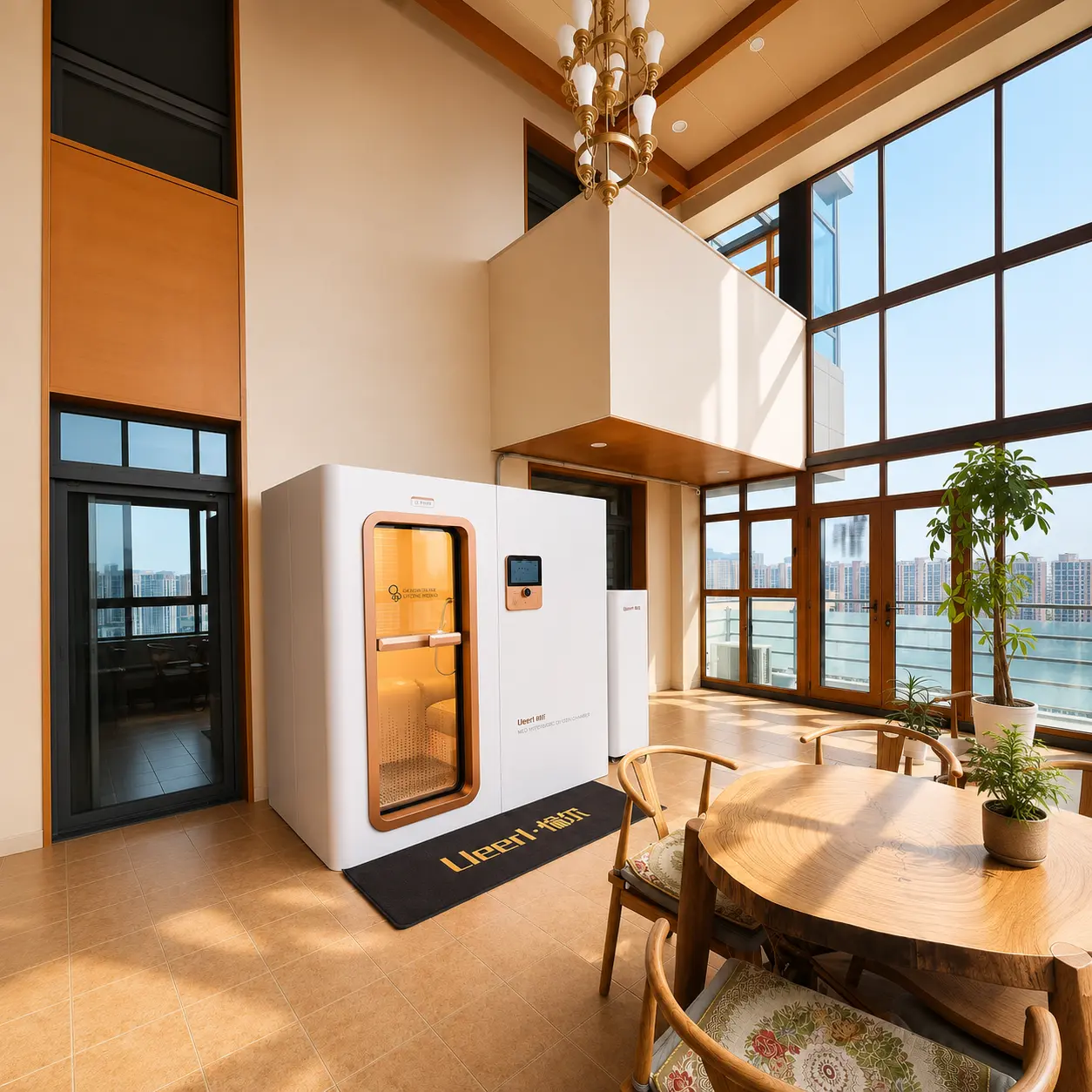
Consider entry, seating, household capacity and the room you will actually use.
Complete handover training and use the instructions supplied with your chamber.
Build preparation, assistance and equipment checks into each planned use.
What makes a chamber practical for home use?
A useful home configuration fits your room, access route and household routine. Start with how people will enter, sit, communicate and receive assistance. Then compare the specifications and comfort options available for your preferred configuration.
Compact single-user setup
A compact seated or reclining configuration may suit a dedicated personal wellness corner where floor space is limited. Check the usable interior, entry height, seat position and service requirements as carefully as the external footprint.
Ask whether the seating movement and door opening work with the layout you have planned.
Spacious single-user setup
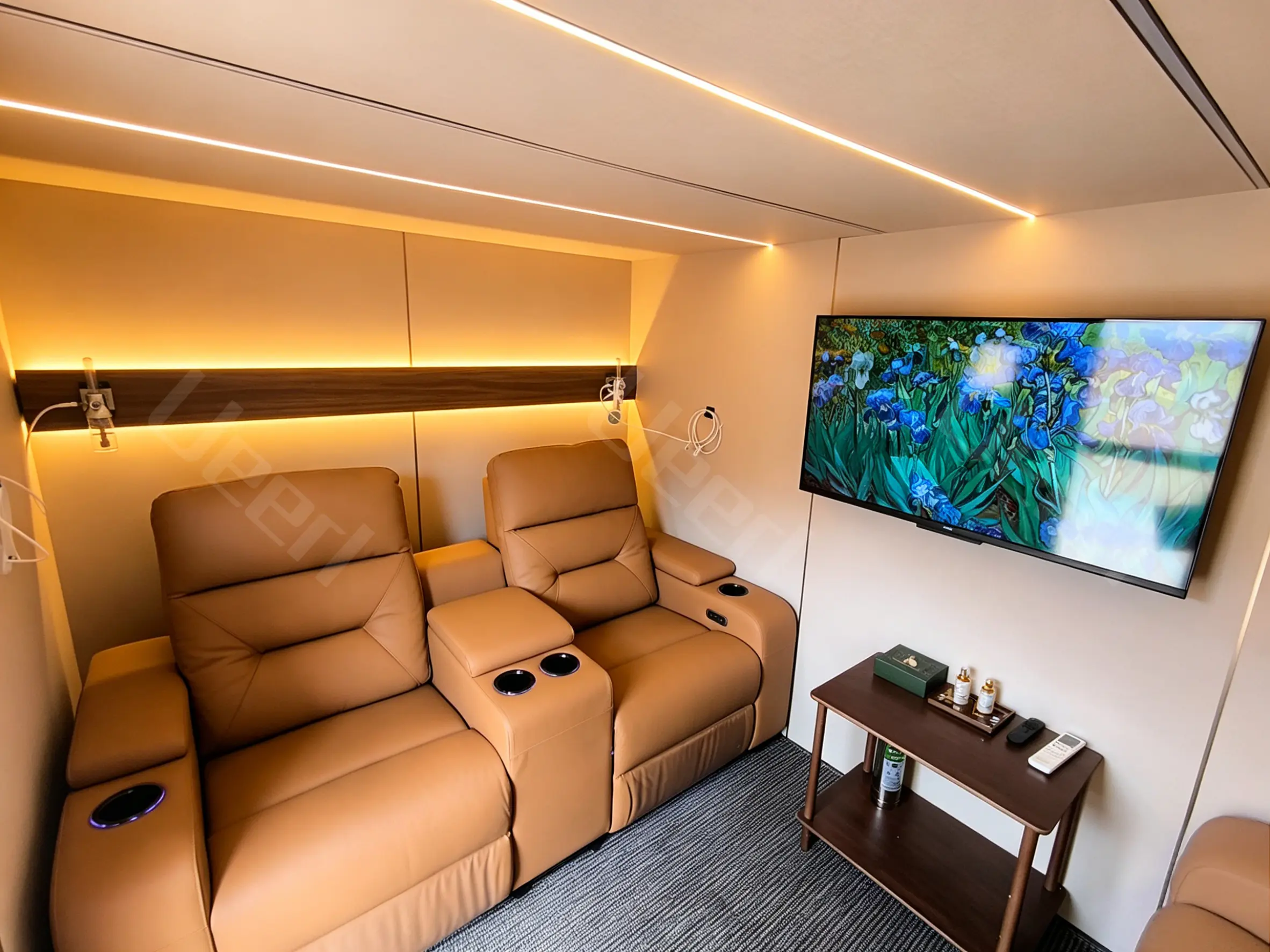
A room-style chamber can offer more interior space for an individual user. Compare headroom, legroom, recliner movement, viewing areas and access to the controls when deciding what feels practical for regular use.
Include the main unit and maintenance access in your room plan.
Two-person or family setup
A multi-seat configuration may suit households planning shared sessions, subject to individual suitability and the equipment instructions. Check the rated capacity, seating layout and entry space rather than assuming a larger exterior guarantees easier access.
Plan assistance outside the chamber even when two people are inside.
Where should you place a home chamber?
A dedicated wellness room, study or suitable space beside a home gym can be considered if it meets the installation requirements. Choose a location that keeps access straightforward and allows a trained assisting adult to remain nearby.
- Entry and exit: leave the full door opening and walking route clear.
- Equipment position: allow the specified ventilation and service clearances.
- Floor and utilities: confirm structural suitability, power supply and earthing before delivery.
- Household circulation: keep cables and tubing away from regular walkways.
- Assistance: allow space outside for access to the display and communication controls.
Check the delivery route as well as the final room. Doorways, corridor turns, lifts and stairs all affect how the chamber can be brought into your home.
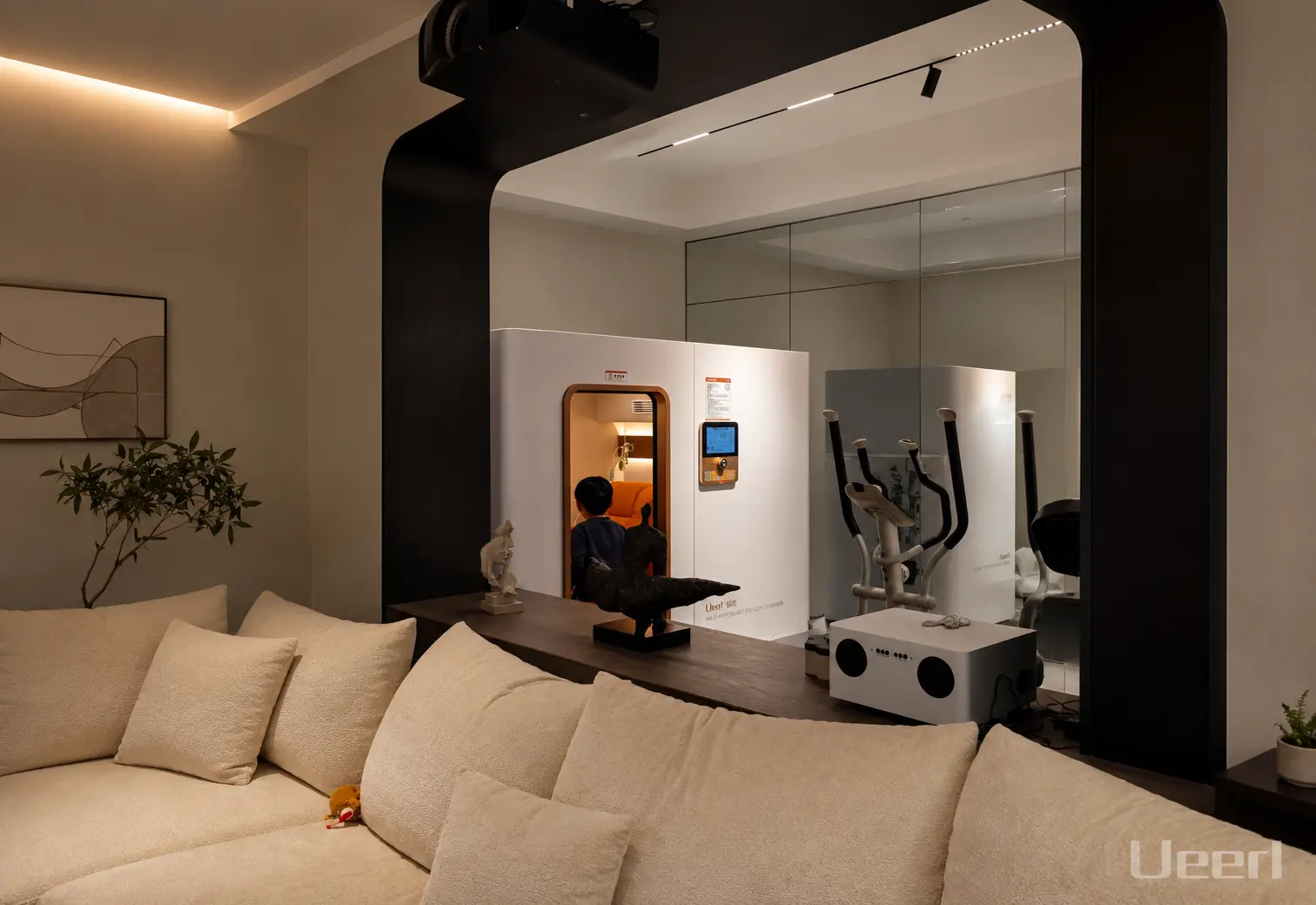
Prepare the user, the room and the equipment
A short, repeatable preparation routine makes home use easier to organize. The checklist below helps you review the essentials alongside your supplied operating instructions. Ticks are temporary and are not submitted or stored.
What does a home-use session involve?
The everyday sequence begins before the door closes and ends after the chamber is ready for its next use. This overview explains the stages to learn during training; the exact controls and procedures are defined by your chamber's operating manual.
Complete the pre-use checks
The user and assisting adult review the preparation checklist, confirm the permitted settings and check the equipment. Agree how to communicate discomfort or a request to finish, and verify that both people understand the instructed response.
- Confirm who is assisting outside.
- Check that the normal exit procedure is understood.
- Resolve warnings or questions before starting.
Enter and get comfortably positioned
Enter using the method demonstrated at handover. Position the seat and use the supplied oxygen interface as instructed for the selected configuration. Keep tubing clear of moving seating components and door edges, then complete the specified door check.
- Use the supplied entry and seating instructions.
- Keep controls and communication accessible.
- Check tubing without modifying the connections.
Begin the instructed operating sequence
The trained operator starts the sequence using the approved settings. As pressure changes, the user follows the comfort and communication guidance taught during training. Report ear discomfort, pain or other concerns promptly; follow the instructed response rather than continuing through discomfort.
- Use the permitted settings for the user.
- Maintain communication throughout the session.
- Respond to discomfort using the trained procedure.
Remain attended during the session
The assisting adult monitors the system and remains available. Use only installed comfort features and personal items permitted by the manual. If a warning or unusual condition occurs, follow the documented stop or exit procedure and seek the appropriate help.
- Keep the assisting adult available outside.
- Use approved lighting, seating and entertainment controls.
- Follow the manual for warnings and interruptions.
Complete depressurization and exit
Finish through the normal controlled sequence specified for your chamber. Open the door only after the indicated pressure equalization and the required checks are complete. Exit carefully, then carry out the instructed shutdown and post-use cleaning.
- Do not force the door while pressure remains.
- Follow the demonstrated exit and shutdown procedure.
- Record any equipment issue for follow-up.
Make the routine comfortable and clearly managed
Choose a time when both the user and assisting adult can follow the full sequence without rushing. Allow time for preparation, controlled exit and cleaning rather than planning only for the period spent inside.
Use the installed comfort features to create a pleasant setting within the equipment instructions. Seating, lighting, temperature control and entertainment vary by configuration, so confirm which features are included and how they are operated.
Keep a simple ownership record with the chamber identification, maintenance history and support contact details. If several adults use the chamber, organize individual breathing accessories and follow the specified cleaning routine between users.
Individual adult use
Personal suitability, a comfortable seat position and a trained assisting adult available outside.
Control access, communication, the oxygen interface and the normal exit sequence.
Two-adult use
A chamber rated for the intended capacity and an operating plan appropriate for both people.
Separate breathing accessories where required, coordinated communication and assistance outside.
Assisted adult use
Entry, transfer, seating and communication needs reviewed before purchase, including any mobility limitations.
Whether the configuration and support arrangements meet the individual's needs and professional guidance.
Build simple care into home ownership
Keep the chamber clean, accessible and maintained according to its supplied instructions. Separate the checks owners can complete from technical work that requires support. A tidy equipment area also makes changes easier to notice.
Clean approved surfaces
Follow the specified cleaning method for the seat, interior surfaces and supplied breathing accessories. Use only compatible products and methods. Avoid spraying liquid directly onto displays, electrical parts or oxygen connections.
Let cleaned components dry as instructed before the next use.
Check the visible condition
Look for displaced tubing, worn seals, loose accessories or blocked ventilation. Keep the door area free from debris and the outside controls accessible. Report changes rather than adjusting pressure-system or electrical components yourself.
Use the checklist taught at handover.
Follow the service schedule
Use the manufacturer's intervals for filters, consumables, inspections and technical servicing. Record completed work and keep equipment identification details available when contacting support. Replacement timing depends on the component and usage conditions.
Confirm compatible parts before ordering.
Home hyperbaric chamber FAQs
These answers cover practical ownership questions. For equipment-specific operation, use the supplied manual and training; for individual health suitability, consult a qualified healthcare professional.
Ask about your home setup →Can I use a hyperbaric chamber at home?
Home use depends on the device's intended use, local requirements, individual suitability and the ability to meet its installation and operating instructions. Discuss the proposed setup with Ueerl and confirm individual suitability with a qualified healthcare professional before use.
How much room do I need?
Plan for the chamber, supporting equipment, door opening, ventilation and maintenance access. The exact dimensions vary by configuration. Send room measurements and delivery-route details so Ueerl can review the layout before you finalize the space.
How often should I use the chamber, and for how long?
There is no single schedule appropriate for every user and configuration. Session duration, frequency, pressure and oxygen delivery should follow the device labeling and appropriate professional guidance. Do not copy another person's routine or increase settings on your own.
Can I use the chamber without anyone nearby?
Plan for a trained adult outside who can monitor, communicate and assist throughout the session in accordance with the operating instructions. Inside controls support operation, but they do not replace an appropriate monitoring and assistance plan.
Can two family members use the chamber together?
Only use a configuration rated for the intended number of occupants. Each user must be individually suitable, and the shared operating plan must be appropriate for both. Confirm seating, breathing accessories and external assistance arrangements during training.
Can I watch TV or bring my phone inside?
Use installed entertainment equipment only as permitted by the chamber instructions. Personal electronics, batteries and other items need explicit approval under the manual's permitted-item rules. Do not assume that an item is suitable because it is commonly used at home.
What if I feel discomfort or want to finish early?
Tell the assisting adult promptly and follow the response and controlled exit procedure demonstrated during training. Do not force the door open or improvise pressure changes. If symptoms require medical attention, seek appropriate medical help.
What should I learn before the first session?
Learn pre-use checks, the controls, oxygen interface, communication, normal shutdown and exit, emergency actions and cleaning. Complete the equipment handover and resolve any unanswered questions before beginning home use.
Find a practical Ueerl setup for your home
Share your room layout, intended user capacity and comfort preferences. Our team can help you compare configurations, understand access requirements and plan delivery, installation and training.
What to include in your inquiry
- Your country, city and installation floor.
- Room length, width and ceiling height.
- Doorway measurements and access-route photos.
- Preferred user capacity and seating requirements.
- Desired comfort features and exterior finish.
- Budget range and preferred delivery timing.